Chia Seed Market Trends:What Buyers Need toKnow
Article contents
The chia market is evolving rapidly. From white vs. black varieties to new certification demands and shifting origins, here's what's shaping the market today.
Explore the material index01The Chia Boom Is Not Over
Despite being one of the most hyped superfoods of the 2010s, chia seeds continue to show strong and steady demand across North America, Europe, and Asia. The market has matured from novelty to staple — and that's actually great news for buyers.
02Black vs. White Chia: Which to Source?
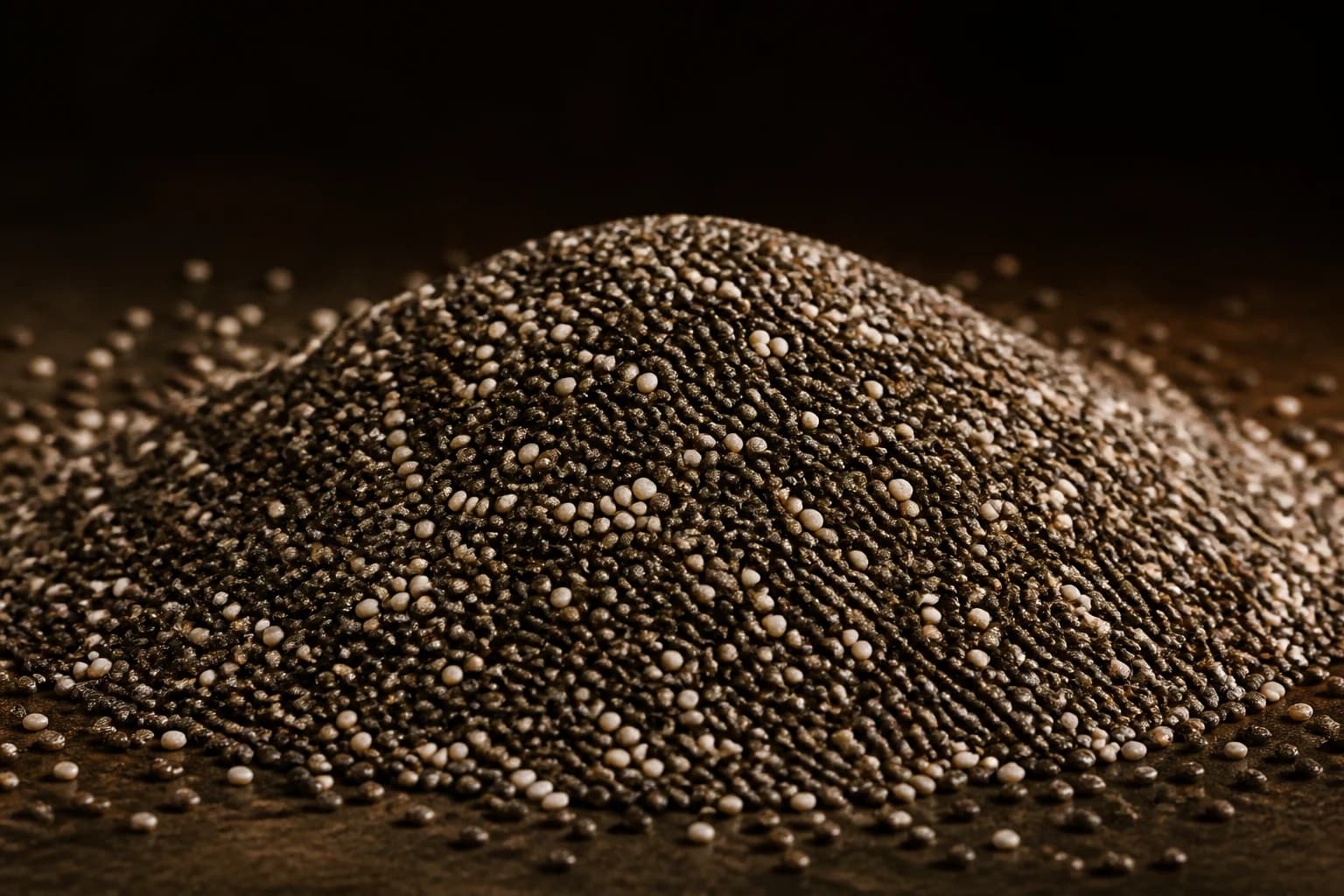
Black chia is the most widely available variety and commands competitive pricing. It is the default option for most food manufacturers and private label brands.
White chia commands a significant premium (typically 20–40% above black) due to its visual appeal in transparent packaging. It's increasingly sought after by premium health food brands.
03Key Origins to Watch
Mexico
Mexico remains one of the most important chia origins globally, particularly for NOP-certified organic production. The state of Jalisco is a leading production zone.
Bolivia
Bolivia's high-altitude growing conditions produce chia with naturally high omega-3 content. Bolivian origin is highly regarded for premium organic lines.
04What's Driving Demand
- Functional food growth — chia is a key ingredient in protein bars, yogurts, and beverages.
- Omega-3 plant-based demand — as consumers move away from fish oil supplements.
- Clean label trend — chia fits perfectly into minimally processed, recognizable ingredient lists.
05Amberstone's Chia Program
We offer both black and white certified organic chia from Mexico and Bolivia. All lots come with full COAs including omega-3 profile, moisture, and microbiological testing.